Opening Reception: Friday September 25, 2026
On view: September 25 – December 12, 2026
Impenetrable Landscapes asks how should we approach genocide, environmental disasters, the deadly aftermath of landmine warfare? How might we make their underlying conditions perceptible without recapitulating their originary logic?
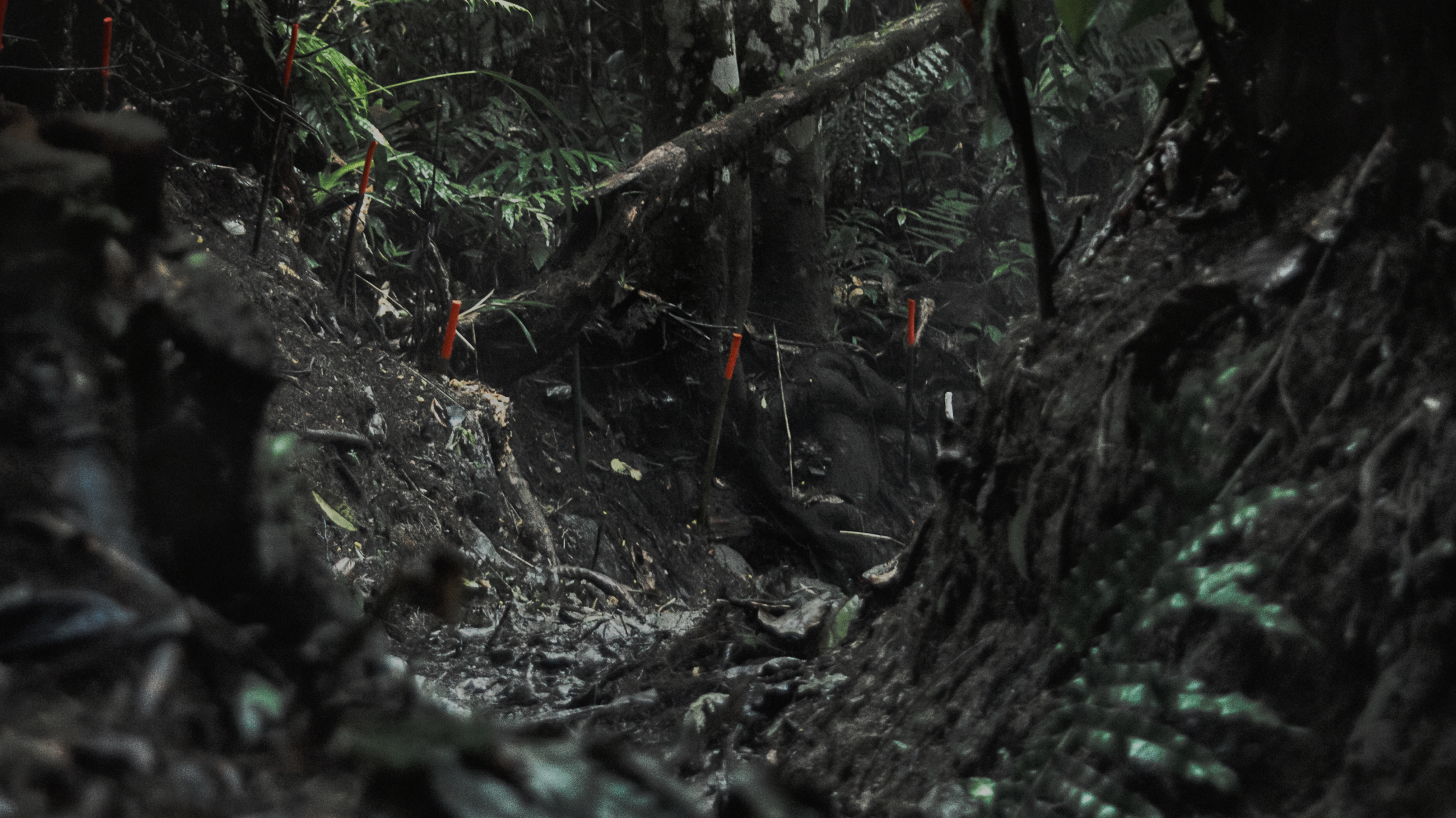
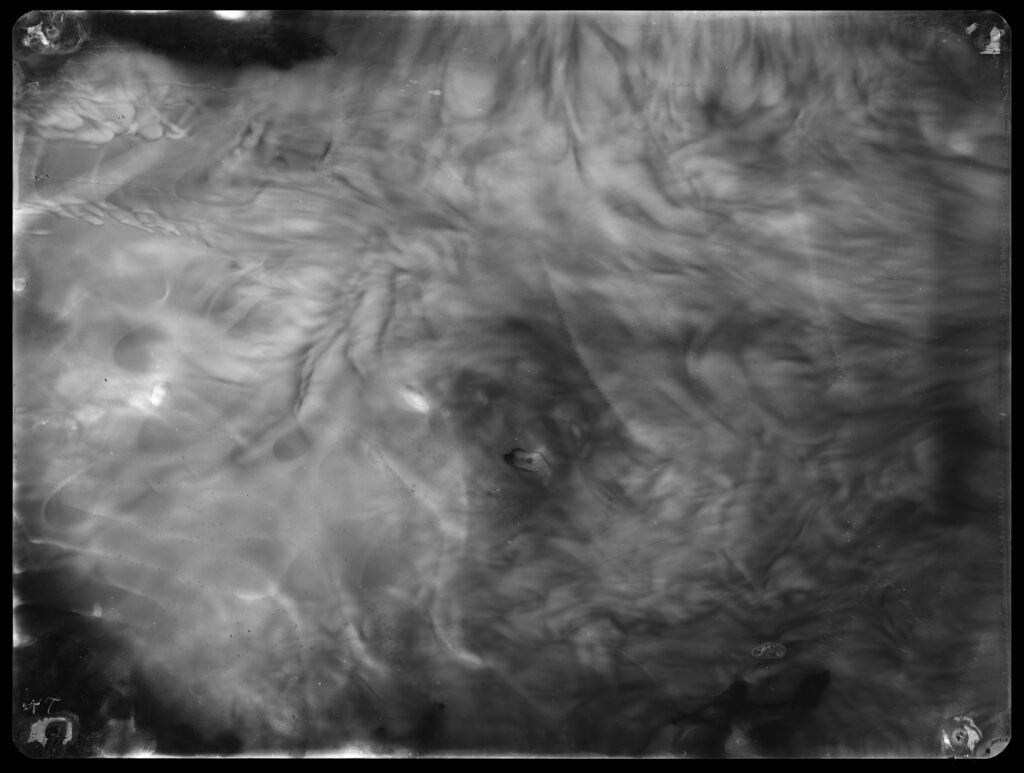
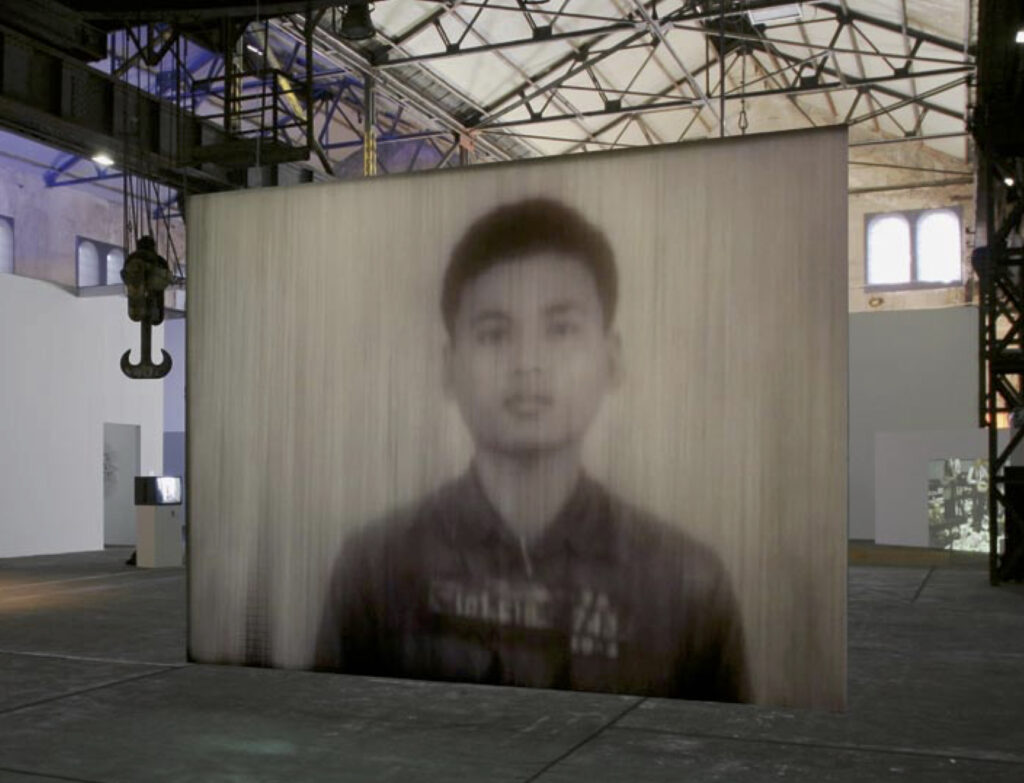
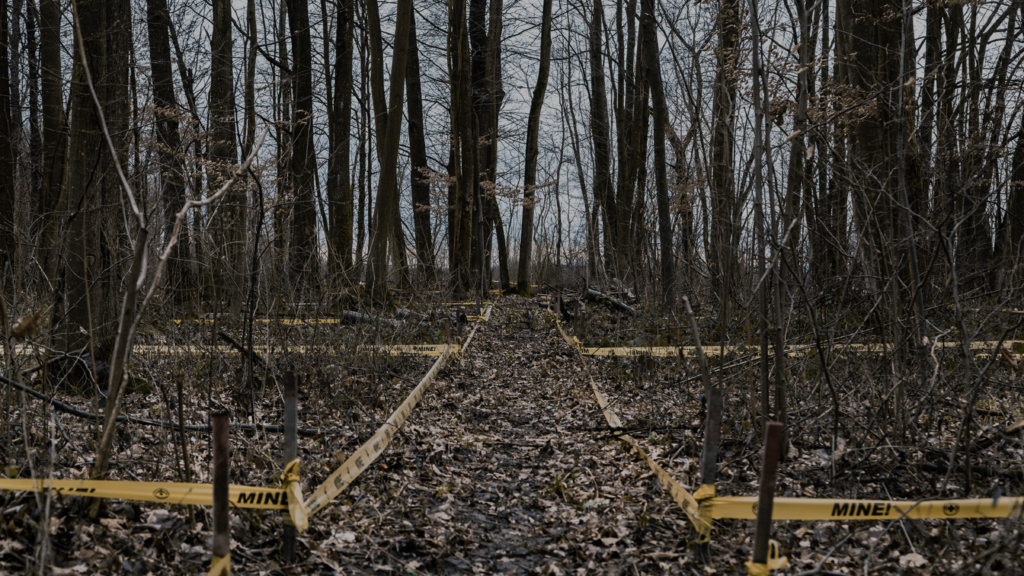
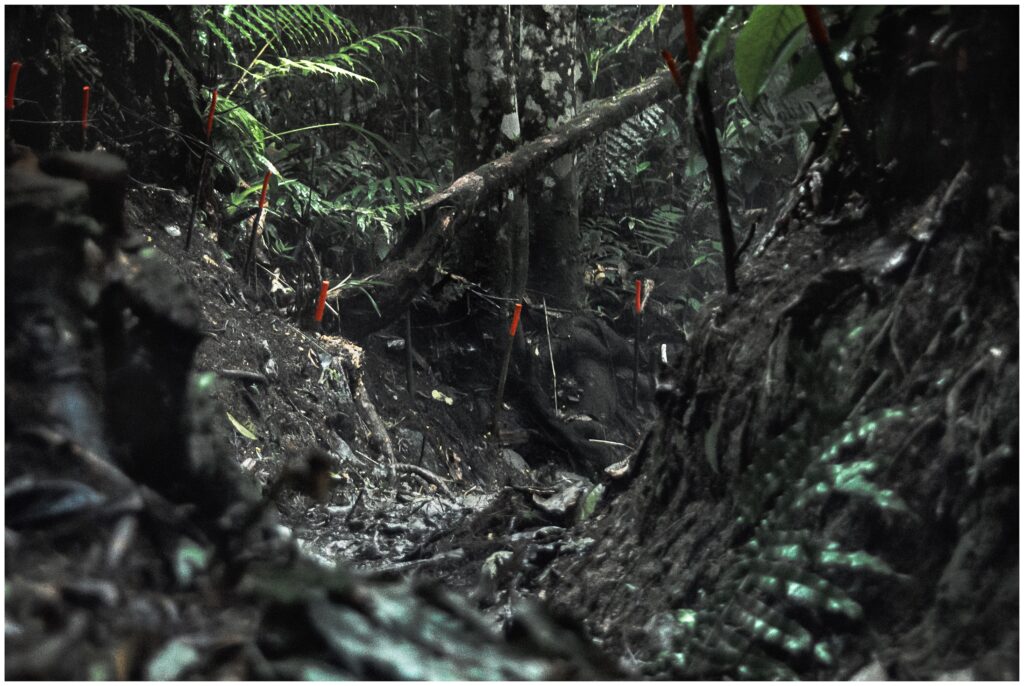
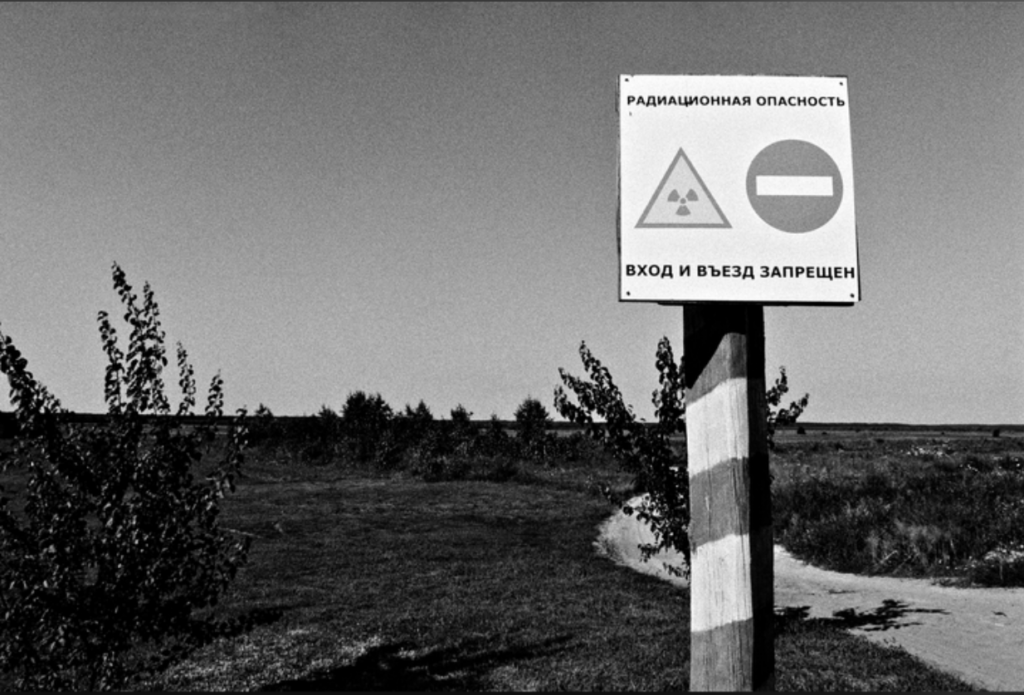
These ethical questions are at the heart of Brazilian photographer Alice Miceli’s conceptual-aesthetic approach to the the Khmer Rouge genocide, the continuing lethal effects of the 1986 Chernobyl disaster, and the concealed minefields of Colombia, Bosnia, and Cambodia.
By bringing forward structures embedded within archives and beneath the visible surfaces of landscapes crossed by calculated human destruction, her photographic processes incorporate recorded duration, radioactive contamination, and weaponized ground directly into the material mechanics of image construction. These realities govern how each work appears, unfolds, and is encountered.
Public Programs
Alice Miceli in Conversation with Caroline Fowler
Thursday October 1, 2026
6 PM – 8 PM
This public program in association with the exhibition features Artist Alice Miceli in conversation with Dr. Caroline Fowler, Starr Director of The Clark Art Institute,
This public programming will be held in the front South Salon at the Cyclorama, with time to visit the gallery exhibition next door.
Caroline Fowler is Starr Director of the Research and Academic Program at the Clark Art Institute and a lecturer in Art History at Williams College. She is a scholar of early-modern art (1400-1800) with a focus on European art and its imbrications in histories of early capital, trade, enslavement, and creation of art history as a discipline. Her most recent book Slavery and the Invention of Dutch Art (Duke University Press, 2025) demonstrates the fundamental role of the transatlantic slave trade in the production of seventeenth-century Dutch art. Her other books include The Art of Paper: From the Holy Land to the Americas (Yale University Press, 2020), and Drawing and the Senses: An Early Modern History (Brepols, 2018). She is also co-editor of the series Art/Work with Princeton University Press, which presents thought-provoking essays on intersections between the practice of conservation and art history, and also co-edited a volume of Art History, “Political Ecologies of Paper.” Currently, she is working on a family history in pictures, considering how histories of plantations and race continue into our contemporary world through images, bodies, trauma, memory, and forgetting.
RSVP HERE
About the
ARTIST
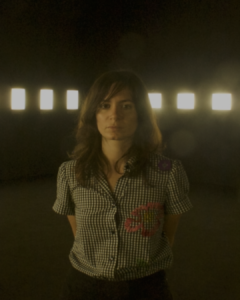
Alice Miceli is a Brazilian visual artist and photographer who works in situations considered impenetrable or untouchable. Her work encompasses the photographic archive of the S-21 prison in Phnom Penh; the Chernobyl Exclusion Zone, where radioactive contamination altered the landscape in ways invisible to human sight; minefields at sites in Bosnia, Angola, Colombia and Cambodia; and, in her current research, urban space under conditions of war. She develops image-making methods in which the conditions of each site actively participate in the form the image will take.
Her current research considers historical and contemporary cases of urban warfare, asking what happens when war overtakes the civilian meaning and use of a city, and how photography and moving images can register that rupture through their own formal structures.
Miceli’s work has been presented at the São Paulo and Istanbul Biennials and the Americas Society in New York. She received the PIPA Award in 2014 and was a 2026 fellow in the Research and Academic Program at the Clark Art Institute. Her residencies include, among others, MacDowell, Yaddo, Djerassi, Bemis, Bogliasco, Millay Arts and the Dora Maar House.
Meet the
CURATOR

Michael Orwicz is Associate Professor of Art History and co-Chair of the Arts & Human Rights research program at the University of Connecticut Gladstein Family Human Rights Institute. He writes extensively on photography, art, politics, and human rights, specializing in analyzing policies and practices of symbolic reparations for victims of human rights violations.