
Michael Lewy is a Boston-based visual artist working across photography, painting, sculpture, video, and immersive media including virtual and augmented reality. His practice explores memory, media history, and imagined cultures through constructed worlds that move between physical and digital space. Lewy often begins with handmade elements—paintings, miniature landscapes, and sculptural fragments—that are photographed, scanned, and transformed into digital artifacts and environments.
His projects include City of the Forgotten, a VR landscape of speculative monuments, and Alpha 60, an augmented reality sculpture park in Boston’s Emerald Necklace. Lewy has participated in the Loop Art Critique XR residency and exhibited work in Mad World during Miami Art Week.
_________________________________________
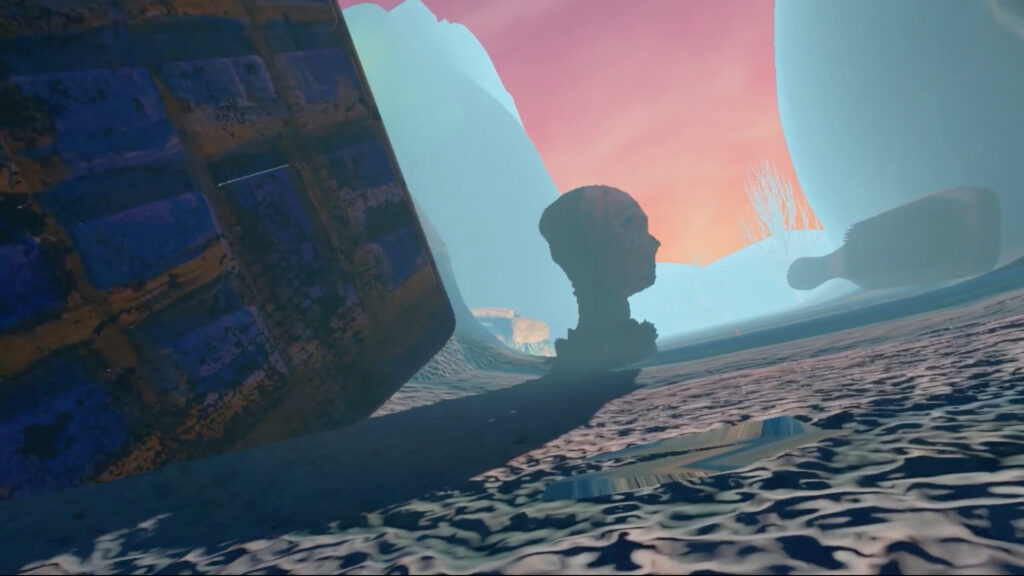
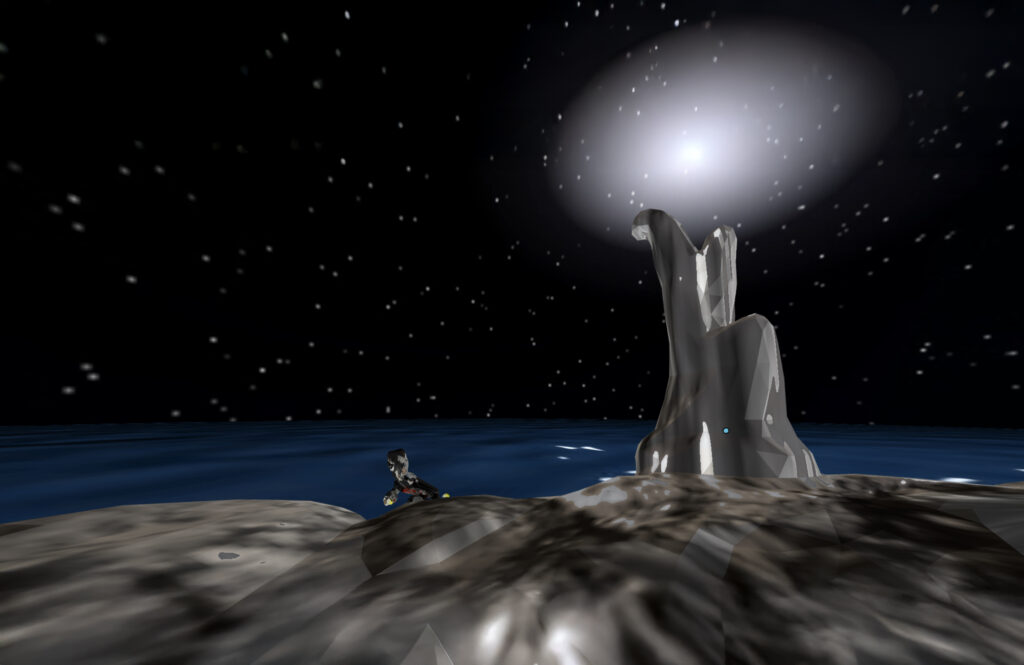
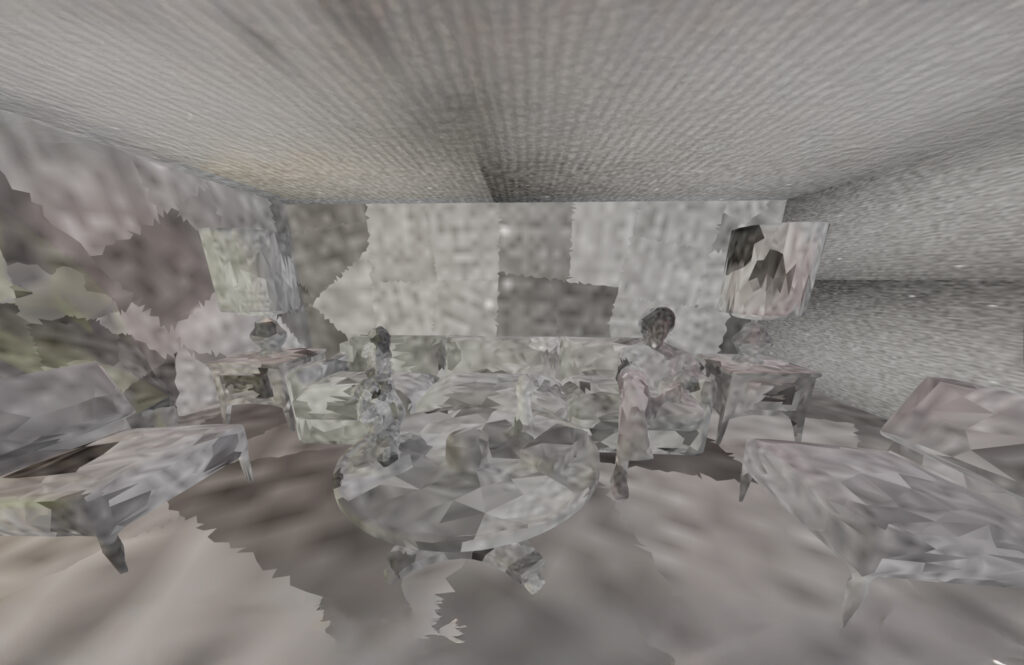
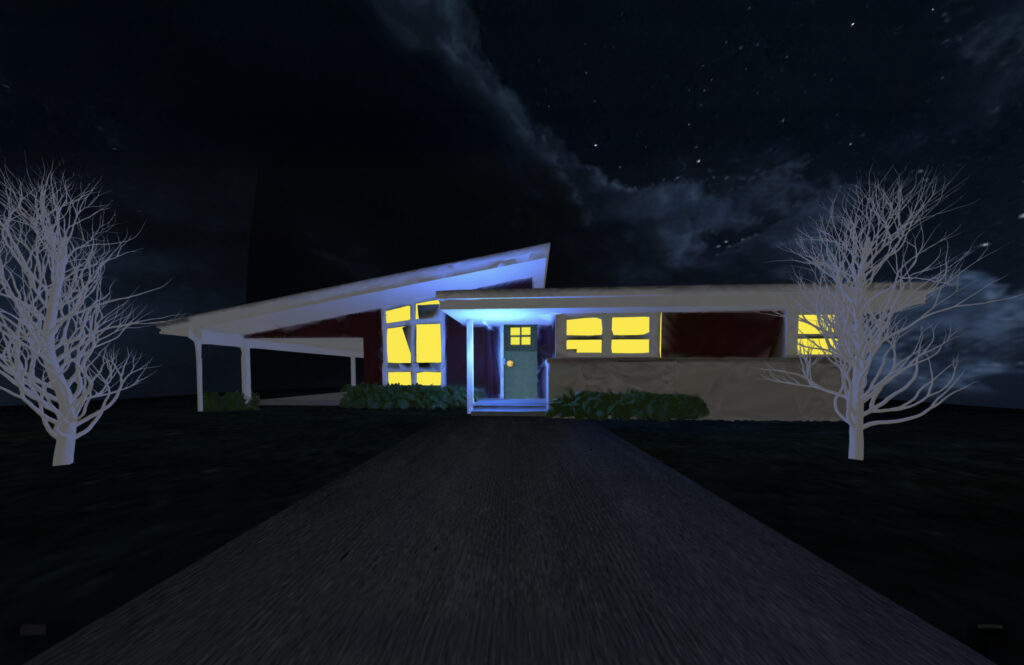
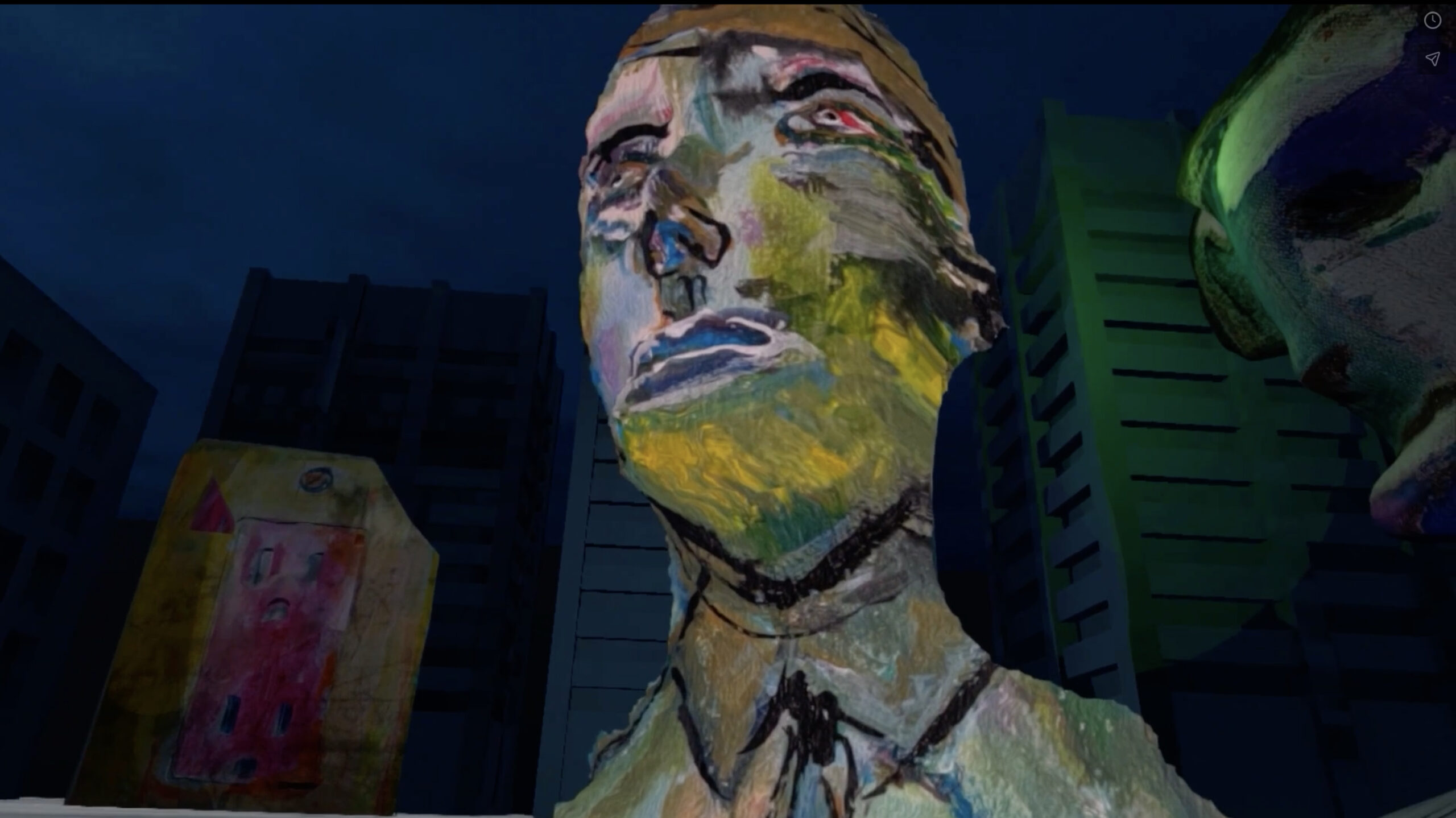
My current project, City of the Forgotten, is an immersive virtual environment that explores memory, cultural amnesia, and the strange afterlife of everyday objects. The work imagines an abandoned city filled with monumental relics—objects like telephones, toothbrushes, and sculptural heads that feel both familiar and mysteriously significant, as if they were artifacts from a civilization that disappeared without explanation.
Each form begins with a hand-painted image that I photograph and apply as texture to 3D models. This process gives the digital objects a tactile, weathered quality, allowing them to retain traces of physical gesture even as they exist in virtual space. The resulting environment feels both archaeological and speculative—a landscape where fragments of meaning remain but their original context has been lost.
Visitors move freely through the space, encountering clusters of objects that accumulate like ruins in a valley. Rather than presenting a fixed narrative, the work invites slow exploration and interpretation.
Through this project, I’m interested in how digital culture reshapes memory: how images circulate, disappear, and return detached from their original meaning. City of the Forgotten treats the virtual world as a site of excavation, where viewers encounter the remnants of a culture overwhelmed by its own images.